
14 September 2026
Choosing Your First EV: A Beginner’s Guide to Making the Right Choice
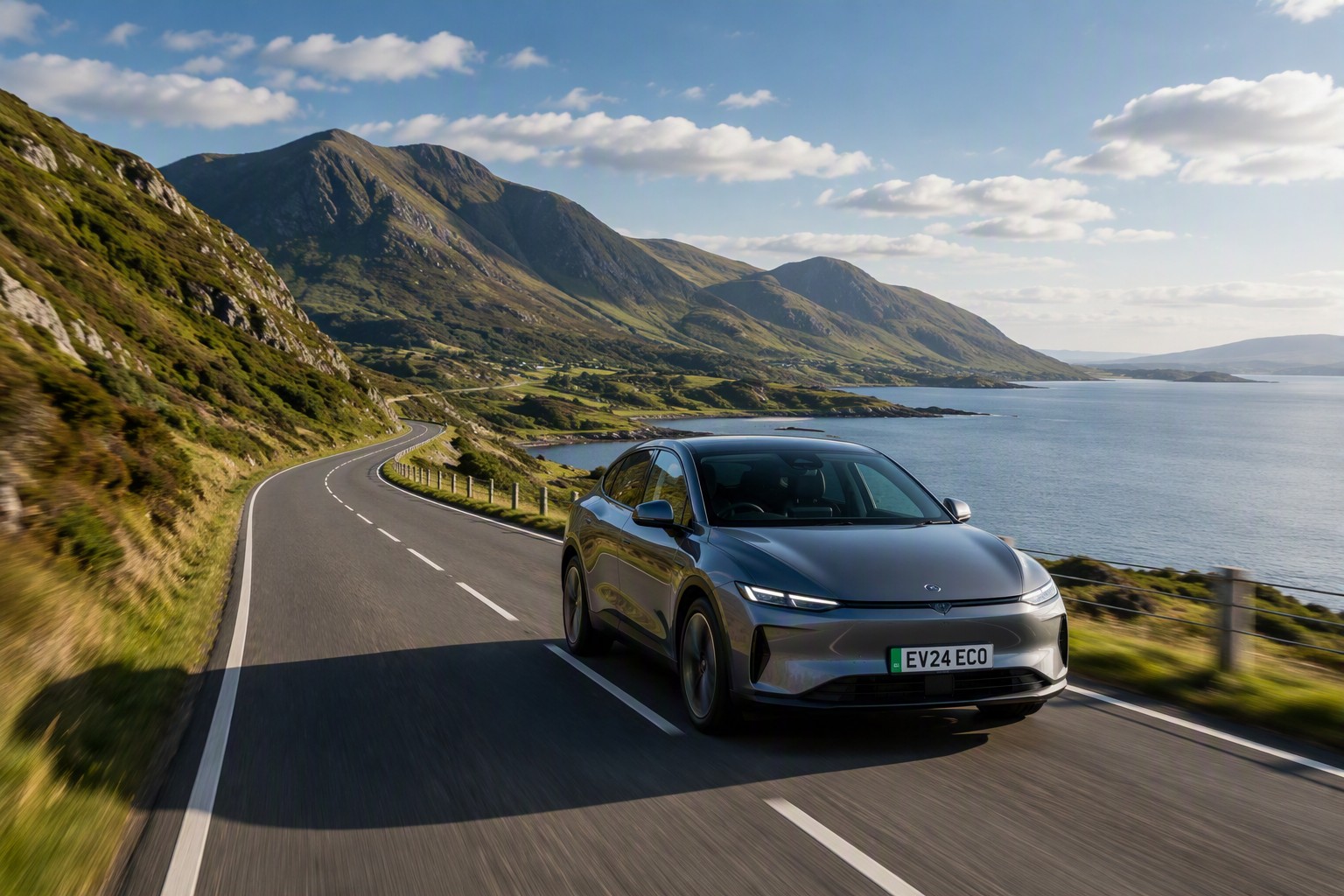
Making the switch to an electric vehicle (EV) is one of the biggest changes many drivers will make. If you’ve spent years filling up with petrol or diesel, stepping into the world of charging, battery sizes and WLTP ranges can feel overwhelming. The good news is that choosing your first EV is often much simpler than people expect.
Start With Your Daily Driving
The most important question is not “Which EV has the biggest range?” but “How far do I actually drive each day?”
The average UK driver travels less than 30 miles per day. If your daily commute is relatively short and you have the ability to charge at home, even an EV with a modest range could comfortably cover your needs.
Think about:
- Your typical daily mileage
- How often you take long journeys
- Whether you can charge at home or work
- How many passengers you regularly carry
Understanding your real-world driving habits will stop you paying for more battery capacity than you genuinely need.
Don’t Get Obsessed With Maximum Range
Range anxiety is one of the biggest worries for first-time EV buyers, but modern electric cars have made huge progress.
Many new EVs now offer:
- 200-250 miles of usable real-world range as a minimum
- 300+ miles from many family models
- Rapid charging capability for long-distance travel
Rather than chasing the highest range available, look for a vehicle that comfortably exceeds your weekly driving requirements.
Think About Charging Before Buying
Charging is where EV ownership differs most from traditional cars.
Home Charging
If you have a driveway or dedicated parking space, installing a home charger is usually the most convenient and cost-effective option.
Benefits include:
- Lower charging costs
- Overnight charging
- Starting every day with a full battery
Public Charging
If home charging isn’t possible, check the charging infrastructure near:
- Your home
- Workplace
- Regular routes
- Frequent destinations
The UK’s public charging network continues to grow rapidly, making ownership easier than ever.
Choose the Right Size Vehicle
It’s easy to be drawn towards premium EVs with cutting-edge technology, but practicality should come first.
Consider:
City Drivers
Compact EVs such as the Renault 5 E-Tech, MINI Electric or Fiat 500e are ideal for urban driving and parking.
Families
Cars like the Tesla Model 3, Hyundai Ioniq 5, Volkswagen ID.4 or Kia EV6 offer excellent space, range and practicality.
Large Families
SUVs such as the Tesla Model Y, Skoda Enyaq or Hyundai Ioniq 9 provide additional room and luggage capacity.
Understand Running Costs
One of the biggest advantages of EV ownership is lower running costs.
Compared with petrol and diesel vehicles, EVs typically offer:
- Lower fuel costs per mile
- Reduced maintenance requirements
- No oil changes
- Less wear on brake components
- Potential savings on company car tax
When comparing vehicles, look beyond the purchase price and consider the total cost of ownership over several years.
New or Used?
The used EV market has expanded significantly in recent years.
Benefits of buying used include:
- Lower purchase price
- Reduced depreciation
- Access to higher-specification models
Always check:
- Battery warranty remaining
- Service history
- Charging capability
- Overall vehicle condition
Many manufacturers provide battery warranties of up to 8 years, offering peace of mind for second-hand buyers.
Test Drive More Than One
EVs can feel surprisingly different from one another.
Things to compare:
- Driving position
- Visibility
- Regenerative braking strength
- Infotainment system
- Rear passenger space
- Boot capacity
A test drive often reveals more than any specification sheet ever could.
Consider Future Needs
Many buyers choose a vehicle based on today’s requirements, only to realise their circumstances evolve.
Ask yourself:
- Will your commute change?
- Are your charging arrangements likely to improve?
- Do you expect your family to grow?
- Do you regularly travel on holiday around the UK?
Buying slightly ahead of your current needs can save money in the long term.
Final Thoughts
Your first EV doesn’t need to be the fastest, most expensive or longest-range electric car on the market. The best choice is the one that fits your lifestyle, your budget and your charging situation.
Focus on how you actually use your vehicle, understand your charging options, and compare real-world practicality rather than headline figures. Do that, and you’ll soon discover why millions of drivers are making the switch to electric.
Remember: The perfect first EV isn’t necessarily the car with the biggest battery. It’s the one that makes everyday driving easier, cheaper and more enjoyable.